Introduction
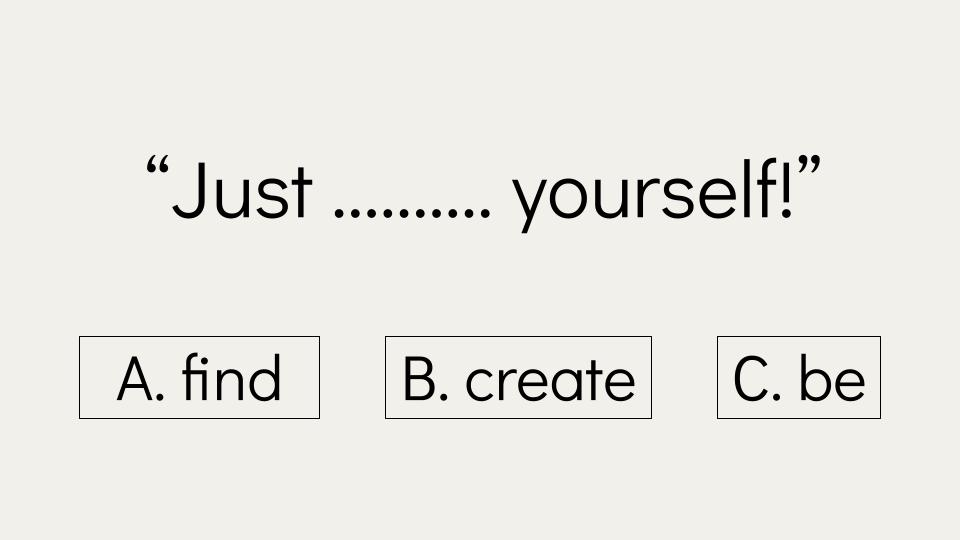
Back in 2015, I was invited to be a guest on a national TV show. Right before stepping on stage, I experienced the worst case of stage fright I had ever felt. Panicking, I asked the director, “Do you have any advice for me?” He responded with what I thought was the most cliché encouragement on Earth: “Just be yourself!”
I remember thinking, “But I don’t even know who I really am! What kind of person is myself?”
Mind you, I was already 22 at the time.
Today, on social media, I stumbled upon a viral post about a mother who subjected her 13-year-old daughter to a Herculean study regimen for years, all to achieve a high score on a “fashionable” English proficiency test. It’s a typical Asian Tiger Mom story. I was not surprised, but I felt sad for the child. She seems to be missing important parts of her life journey by investing so much time in academic success at such a young age. This prompted me to write this post and explore what those missing parts might be.
The journey of growing up is profound and multifaceted, marked by the evolving interplay between self-creation, self-discovery, and self-affirmation. As someone who recently crossed the threshold of 30, I believe that the proper sequence of growing up follows a natural order: creating oneself, finding oneself, and ultimately, being oneself. Each phase is essential and builds upon the previous one, leading to a more complete and authentic existence.
Creating Oneself
In the initial phase of life, from birth to the point where one begins to make independent decisions, a person is in the process of creating themselves. This period is characterized by an eager accumulation of knowledge, skills, and experiences. Much like a blank slate, a young individual absorbs influences from parents, teachers, and the immediate environment, indiscriminately soaking in life’s lessons. At this stage, there are no entrenched habits or preferences to hinder learning. The person is a vessel of potential, unburdened by a fixed identity.
For instance, a child learns languages, sports, and social norms without bias, absorbing them with enthusiasm. This phase is crucial because it lays the foundation for future growth. The freedom from preconceived notions allows for a broad and varied base of knowledge and skills, which will later be refined and personalized. A young child might take piano lessons, attend ballet classes, and explore the natural world with equal curiosity, not yet having to decide which will be a lifelong passion.
Finding Oneself
As one gains independence and begins to seek an identity, the second phase, finding oneself, begins. This stage is marked by a desire to establish a reputation and to be recognized as a specific type of person. Individuals often experiment with different social groups, adopting various identities to see which one resonates most deeply with their inner self.
Consider the teenager who joins different clubs or cliques, trying out various roles from athlete to artist, from rebel to scholar. This phase can be tumultuous and lengthy, sometimes extending well into adulthood. For example, a high school student might join the debate team, participate in theater productions, and try their hand at sports, all while navigating the social dynamics of friendships and romantic relationships. It is a time of exploration and experimentation, where one learns not only from successes but also from the inevitable missteps and failures. Each experience brings the individual closer to understanding their true nature and desires.
Being Oneself
The final phase, being oneself, is reached when a person has settled into a comfortable and authentic identity. This stage is characterized by the establishment of firm principles, standards, and personal philosophies. The individual now interprets events and people through the lens of their well-formed identity, acting with integrity and consistency.
For example, an adult who has found their place in their career, community, and personal life will make decisions that align with their core values and beliefs. A person who has discovered a passion for teaching may dedicate themselves to educating others, feeling fulfilled in their role. They have a clear sense of who they are and what they stand for, and they live their life in accordance with this self-knowledge. While changes are still possible, they are often more profound and can be destabilizing, as they may challenge the very essence of the person’s identity. For instance, a mid-career professional may decide to switch careers entirely, pursuing a long-held dream of becoming an artist, which requires a deep re-evaluation of their sense of self.
Why the Order Matters
Growing up in the order of creating oneself, finding oneself, and then being oneself is crucial for a healthy and coherent identity formation. If this sequence is disrupted, it can lead to significant issues. For instance, attempting to be oneself without first creating and finding oneself can result in adopting false identities, which are often built on external expectations rather than genuine self-understanding. This can lead to a sense of being out of sync with one’s peers, loneliness, and confusion. Moreover, it can contribute to deep mental health problems, such as anxiety and depression, due to the internal conflict between who one thinks they should be and who they truly are. This is why I am particularly worried about the girl mentioned earlier. By skipping or rushing through these developmental stages, she may miss out on the essential process of self-discovery, potentially leading to a fragile and unauthentic sense of self.
Personal Reflections
Reflecting on my own journey, I realize that the phase of finding myself was particularly challenging. In my twenties, I juggled various identities, trying to figure out where I fit in. I joined numerous groups, from sports teams to art clubs, seeking validation and a sense of belonging. Each experience taught me valuable lessons about my strengths, weaknesses, and passions. I remember the confusion and frustration of not fitting neatly into any one category, but it was through these struggles that I began to understand my true self.
One pivotal moment was when I decided to leave a stable job to pursue my passion for teaching. It was a terrifying decision, but it felt right. This transition marked the beginning of my phase of being myself. Teaching brought me immense satisfaction and a sense of purpose that I had never felt before. It allowed me to align my career with my core values and beliefs. This experience taught me that being true to oneself often requires courage and the willingness to embrace change, even when it disrupts the stability of one’s life.
Conclusion
Growing up is a continuous journey of becoming. The phases of creating oneself, finding oneself, and being oneself are interdependent and sequential, each necessary for the development of a whole and authentic individual. By understanding and embracing each stage, we can navigate the complexities of growth with greater clarity and purpose, ultimately leading to a more fulfilled and self-assured existence.
This philosophy of growing up not only provides a framework for personal development but also offers a lens through which we can understand and empathize with the growth journeys of others. It is a reminder that while our paths may differ, the essence of growing up is a shared human experience.

 Tập Viết
Leave a comment