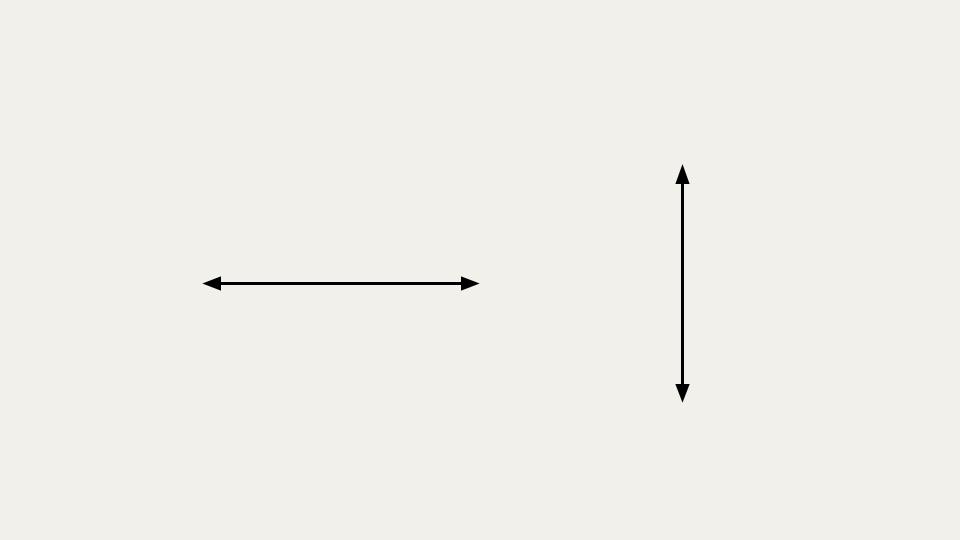
Wisdom, often regarded as the pinnacle of human understanding and insight, can be acquired through two distinct methodologies: horizontal learning and vertical learning.
Horizontal learning involves gathering lessons from a multitude of sources, essentially learning from the experiences and knowledge of others. On the other hand, vertical learning emphasizes deep introspection, contemplation, and reflection on one’s own experiences. While both approaches can lead to profound wisdom, it is argued that excelling in one may inhibit proficiency in the other.
This essay will explore this premise, analyzing the strengths and limitations of each method and their implications for personal growth and the attainment of wisdom.
Horizontal learning
Horizontal learning, characterized by a broad collection of knowledge, allows individuals to benefit from the collective experiences of society. This method is particularly effective in a world where information is abundant and easily accessible. By engaging with diverse perspectives, one can develop a comprehensive understanding of various subjects, cultures, and ideologies. This approach fosters adaptability and open-mindedness, as individuals are constantly exposed to new ideas and ways of thinking.
However, horizontal learning has its limitations. The vastness of information can sometimes lead to superficial understanding. The sheer volume of knowledge available may overwhelm individuals, causing them to skim through material without delving deeply into any particular topic. This superficiality can hinder the development of deep, insightful wisdom that comes from truly understanding the nuances of a subject.
Vertical learning
In contrast, vertical learning focuses on depth rather than breadth. This approach involves intensive reflection and contemplation, allowing individuals to explore the depths of their own experiences and thoughts. By engaging in deep introspection, individuals can gain profound insights and develop a nuanced understanding of themselves and the world around them. This method fosters critical thinking and self-awareness, which are essential components of wisdom.
However, the intensive nature of vertical learning can also be limiting. The process of deep reflection requires significant time and mental effort, which may restrict the ability to engage with external sources of knowledge. As a result, individuals who prioritize vertical learning may miss out on the broader perspectives that horizontal learning provides. Additionally, the introspective nature of vertical learning can sometimes lead to intellectual isolation, where individuals become overly focused on their own thoughts and experiences, potentially leading to a narrow worldview.
The interplay between horizontal and vertical learning
The interplay between horizontal and vertical learning raises important questions about the nature of wisdom and how it can best be attained. While both approaches offer valuable insights, striking a balance between the two may be the most effective way to cultivate wisdom. By integrating the breadth of horizontal learning with the depth of vertical learning, individuals can develop a well-rounded understanding that encompasses both external knowledge and internal reflection.
For instance, one might engage in horizontal learning by reading widely and seeking out diverse perspectives. Simultaneously, they could practice vertical learning by dedicating time to reflect on what they have learned and how it applies to their own life and beliefs. This balanced approach allows for a comprehensive and nuanced understanding, fostering both adaptability and deep insight.
Conclusion
In conclusion, the pursuit of wisdom can be approached through horizontal learning, which emphasizes breadth, and vertical learning, which emphasizes depth. While excelling in one method may limit proficiency in the other, integrating both approaches can lead to a more holistic understanding. Ultimately, the path to wisdom is not a matter of choosing between horizontal and vertical learning, but rather finding a harmonious balance that leverages the strengths of both methodologies.

 Tập Viết
Leave a comment